

Understanding the polyurethane coating process that creates premium synthetic leather with authentic texture and durability.
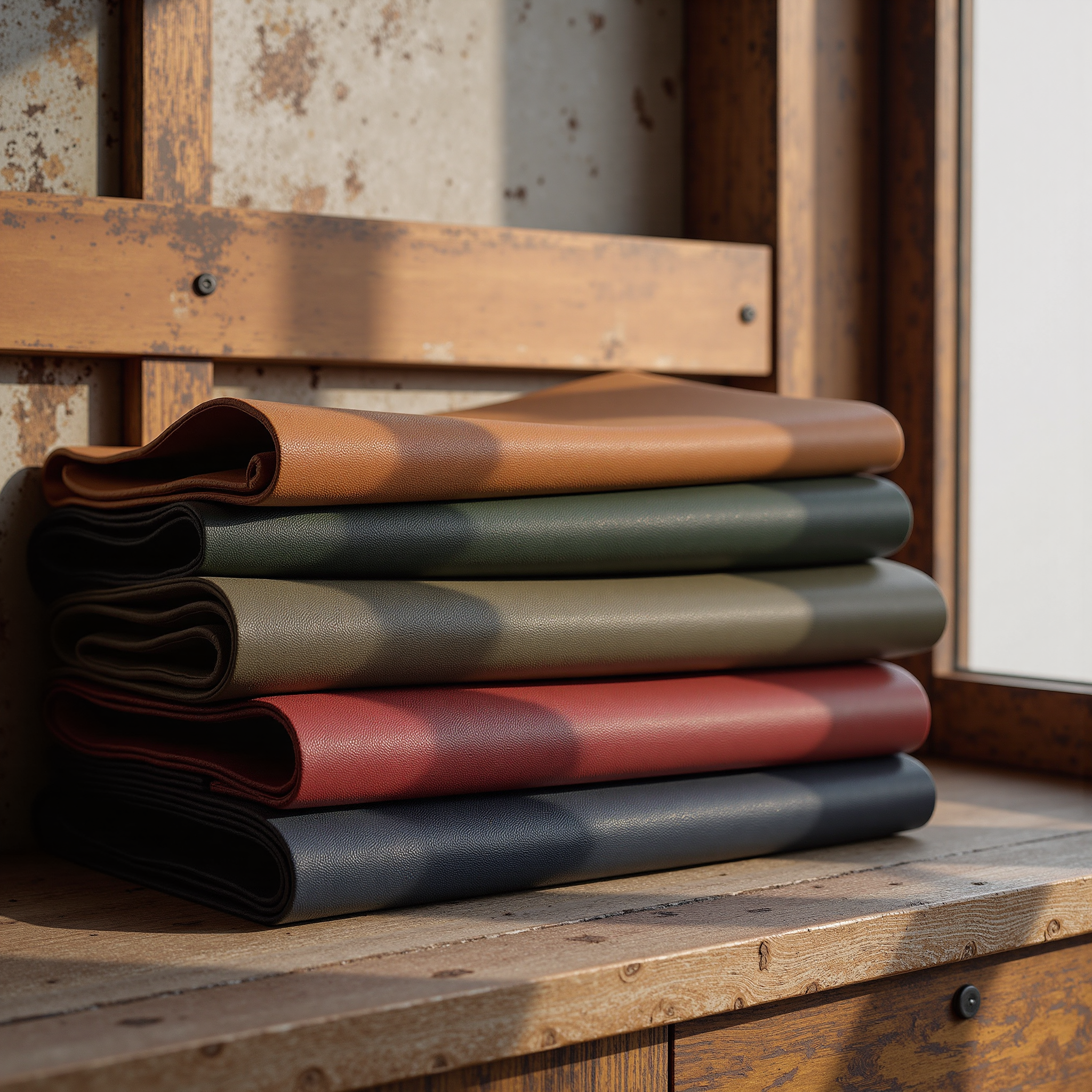
Polyurethane (PU) coating technology is at the heart of modern synthetic leather manufacturing. This advanced process transforms ordinary base fabrics into high-performance materials that rival genuine leather in appearance, texture, and durability. At SUNEVER NEW MATERIAL, we have refined this technology to deliver products that meet the most demanding standards of quality and sustainability.
The PU coating process involves multiple precise stages, each requiring careful control of materials, temperature, and timing. Understanding these steps reveals why our synthetic leather products consistently outperform conventional alternatives in both aesthetics and longevity.
Step 1 — Base Fabric Preparation
The foundation of any high-quality PU coated material begins with meticulous base fabric preparation. We start by selecting premium woven or non-woven substrates that provide the structural integrity needed for the coating process. The fabric undergoes thorough cleaning and surface treatment to ensure optimal adhesion.
During this stage, the base material is inspected for consistency in thickness, weave density, and tensile strength. Any imperfections at this stage would be amplified through subsequent coating layers, making quality control here absolutely critical. The prepared fabric is then conditioned at controlled temperature and humidity to achieve the ideal moisture content for coating application.
Step 2 — PU Resin Formulation
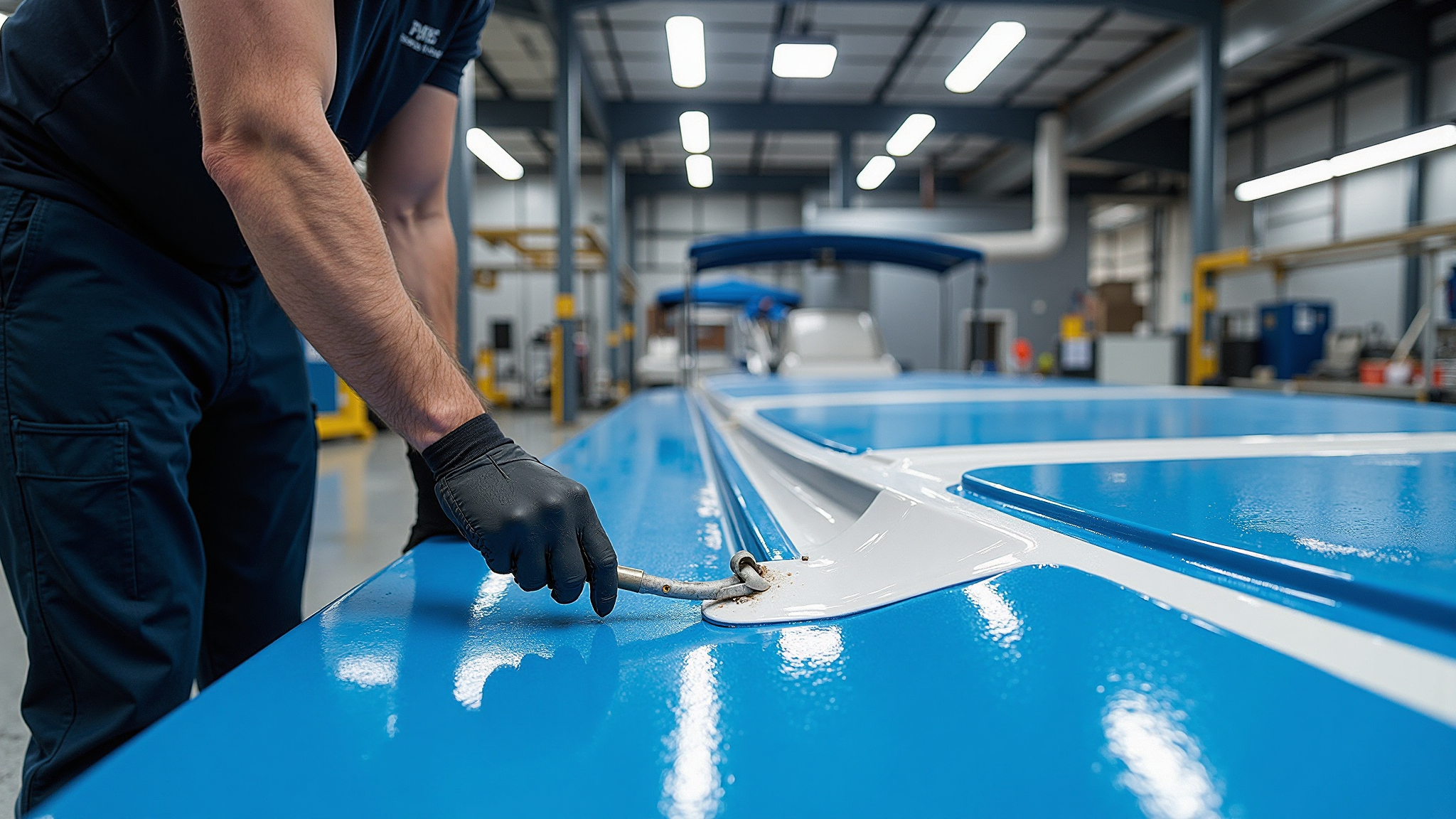
The heart of our technology lies in the precise formulation of polyurethane resin. Our R&D team customizes resin compositions based on the desired characteristics of the final product — whether it needs to be soft and supple for fashion applications, or firm and abrasion-resistant for automotive interiors.
The formulation process involves carefully blending polyol compounds with diisocyanates, along with specialized additives that control viscosity, curing speed, and final surface texture. Catalysts are precisely dosed to manage the reaction kinetics, while pigments and fillers are incorporated to achieve the target color and opacity. Each batch undergoes rigorous testing before approval for production use.
Step 3 — Coating Application
The coating application stage is where the prepared resin meets the base fabric in a precisely controlled environment. Using advanced direct coating or transfer coating methods, the PU resin is applied in uniform layers across the fabric surface. The thickness of each layer is carefully monitored to ensure consistent performance characteristics.
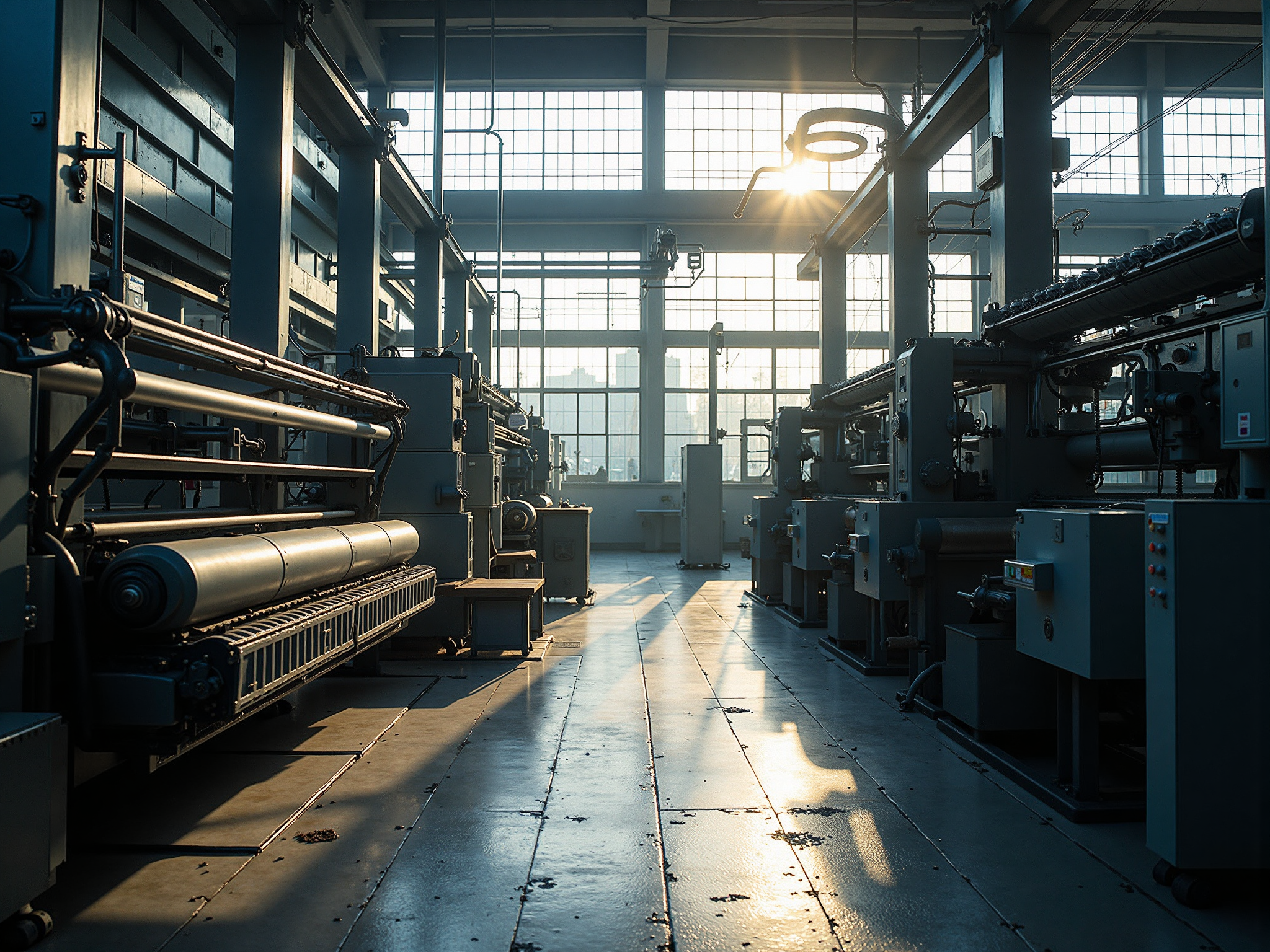
Modern coating lines employ precision knife-over-roll or knife-over-table systems that maintain tolerances within microns. Multiple coating passes may be performed, with each layer serving a specific purpose — a base coat for adhesion, a middle coat for body and texture, and a top coat for surface properties like scratch resistance or water repellency.
Step 4 — Curing and Finishing
After coating application, the material enters the curing phase where the polyurethane undergoes cross-linking reactions to form its final polymer structure. This takes place in multi-zone ovens where temperature profiles are precisely controlled to ensure complete curing without degradation of the material properties.
Post-curing finishing operations may include embossing to create realistic leather grain patterns, surface treatment for enhanced hand feel, application of protective topcoats, and final inspection. The finished material is then graded according to strict quality standards before being released for shipment to our customers worldwide.
Why This Technology Matters
Advanced PU coating technology represents the convergence of material science, precision engineering, and environmental responsibility. By mastering each step of this process, SUNEVER NEW MATERIAL delivers synthetic leather products that offer the beauty and performance of natural leather while providing superior consistency, easier maintenance, and a more sustainable production footprint. Our commitment to continuous improvement in this technology ensures that our customers receive materials that exceed expectations in every application.